
REAL Joins Blockchain for Europe to Shape EU Tokenisation Rules
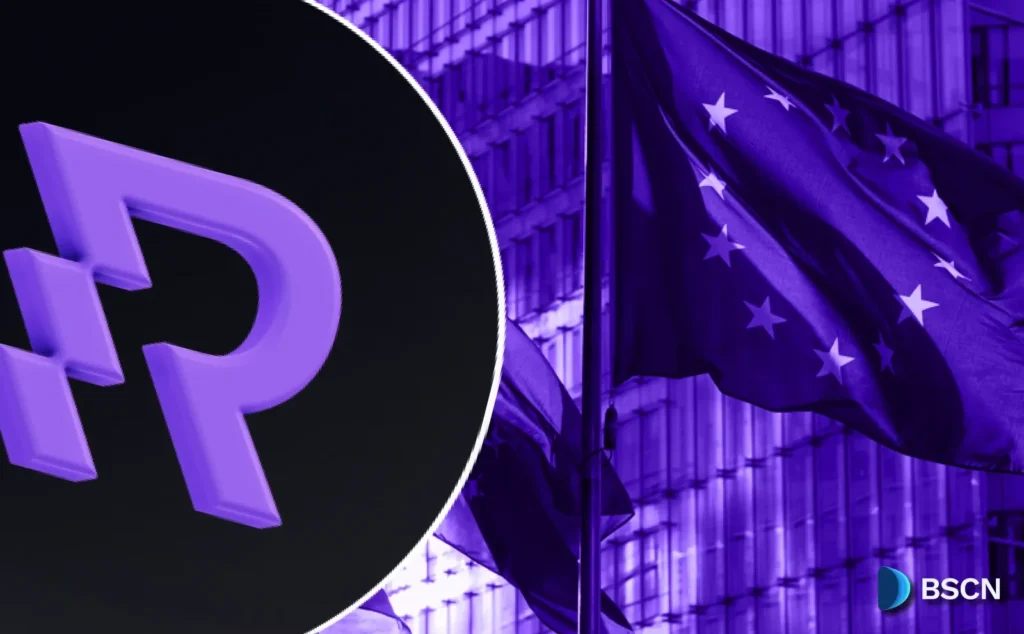
Real-world asset infrastructure provider REAL has become a member of Blockchain for Europe (BC4EU), the Brussels industry body that works with EU policymakers and academics on regulatory frameworks for blockchain innovation.
The membership gives REAL a seat at policy discussions covering tokenised securities, stablecoins, and the blockchain-based financial market infrastructure now under review across Europe. It arrives at a moment when institutional interest in tokenisation has accelerated and EU regulators are working through how these markets should function in practice.
REAL operates an institutional-grade, EVM-compatible Layer 1 purpose-built for real-world assets. Its infrastructure supports compliant tokenisation, asset lifecycle management, validator participation, risk visibility, settlement workflows, and interoperability between on-chain financial products. That footprint puts REAL in regular contact with financial institutions, custodians, issuers, validators, liquidity providers, and tokenisation platforms, giving it visibility into the operational and commercial requirements of institutional adoption.
Robert Kopitsch, Secretary General at Blockchain for Europe, framed the addition as timely given how the tokenisation of real-world assets has climbed the policy agenda.

“The tokenisation of real-world assets is increasingly recognised as one of the most promising applications of blockchain technology, with the potential to make financial markets more efficient, transparent and accessible,” he said. “Real Finance brings valuable expertise in this area, and we look forward to working together to support a regulatory environment that enables responsible innovation across Europe.”
BC4EU’s policy remit spans MiCA, central bank digital currencies including the digital euro, anti-money laundering regulation, digital asset taxation, the EU Data Strategy, artificial intelligence, DeFi, and self-sovereign identity. REAL’s contribution is expected to concentrate on the practical infrastructure side of that agenda, particularly the pieces that determine whether tokenised assets can be functional, compliant, liquid, and credible to institutional buyers.
Brandon Kazakoff, VP at REAL, said the company wants to feed a full lifecycle view into those conversations. His argument is that policy benefits from input on the operational reality of tokenisation, from issuance and compliance through to risk visibility, settlement, servicing, and secondary market readiness.
“Europe has an opportunity to become a global leader in institutional tokenisation, but that requires policy frameworks informed by practical market infrastructure,” Kazakoff said. “Our goal is to support policy discussions that enable responsible digital asset innovation and real institutional adoption across the EU.”
The timing matters. MiCA is already in force, several EU jurisdictions are running tokenised securities pilots, and the European Central Bank continues its work on a wholesale settlement layer for tokenised transactions. Industry participants have argued for months that the next stage of rulemaking will hinge less on principles and more on implementation detail, including custody standards, validator responsibilities, and how tokenised instruments interact with existing capital markets plumbing.
For REAL, joining BC4EU opens a formal channel into those conversations at a stage where the details are being written.