
Best Web3 Wallets 2026: Key Features, Supported Chains, & More
The world of Web3 wallets has evolved rapidly, offering crypto users more control, security, and versatility than ever before. Unlike traditional custodial solutions, modern wallets let users hold their private keys, manage digital assets, and interact directly with decentralized applications across multiple blockchain networks.
In this article, we will break down the top Web3 wallets in 2026, their key features, supported chains, security measures, and the best use cases for different types of crypto holders.
Best Web3 Wallets in 2026: Top Picks Compared at a Glance
WalletBest ForMulti Chain SupportHardware Wallet IntegrationMobile AppBrowser ExtensionMetaMask Overall Web3 WalletYesYesYesYesBinance Web3 WalletIntegrated ecosystemYesNoYesYesPhantomSolana & multi-chainYesNot natively YesYes Trust Wallet Mobile web3 walletYesNoYesNoRabby WalletDeFi power usersYesYesNoYesBase App (Coinbase)BeginnersYes YesYesYesLedger LiveHardware web3 walletYesNoYesYesRainbow WalletNFT collectorsYesYesYes YesSafe (ex. Gnosis Safe)DAOs and organizationsYesYesYesYesReady (Argent)Smart walletsYes YesYesYes
10 Best Web3 Wallets Reviewed & Ranked
1. MetaMask — Best Overall Web3 Wallet
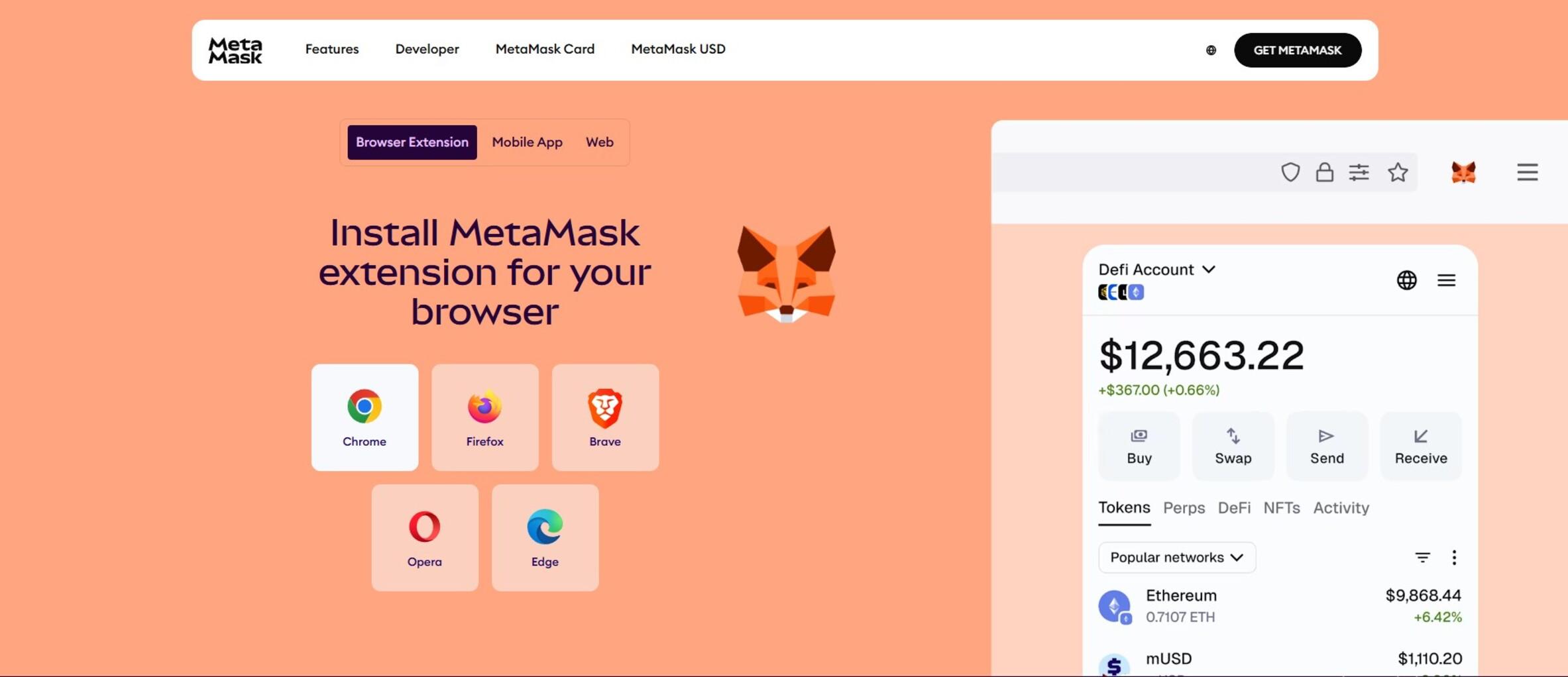

MetaMask is one of the most widely used web3 wallets in the crypto world. It started as a browser extension for Ethereum and later expanded into a full digital wallet used by millions of crypto users.
As a non-custodial wallet, it allows users to hold their private keys and maintain complete control of their crypto assets. The wallet connects easily to decentralized applications, allowing users to sign transactions and interact with smart contracts across several blockchain networks.
Key Features
Supports multiple blockchains, including Ethereum, Polygon, and BNB Chain.Available as a browser extension and mobile apps for easy access.Built-in app swaps for exchanging crypto assets inside the wallet.Hardware wallet integration with devices like the Ledger hardware wallet for cold storage and maximum security.Security features such as biometric login, biometric authentication, and seed-phrase backup for account recovery.
Developer Integration
MetaMask offers robust developer tools for integrating its wallet into decentralized applications (dapps). The primary method uses the MetaMask SDK for seamless connections across browser extensions and mobile apps.
Supported Chains
MetaMask natively supports Ethereum and all EVM-compatible chains, including BNB Smart Chain, Polygon, Avalanche, Arbitrum, Optimism, Fantom, and Linea. It launched support for non-EVM chains like Solana and Tron via multichain accounts in 2025.
2. Binance Web3 Wallet — Best Integrated
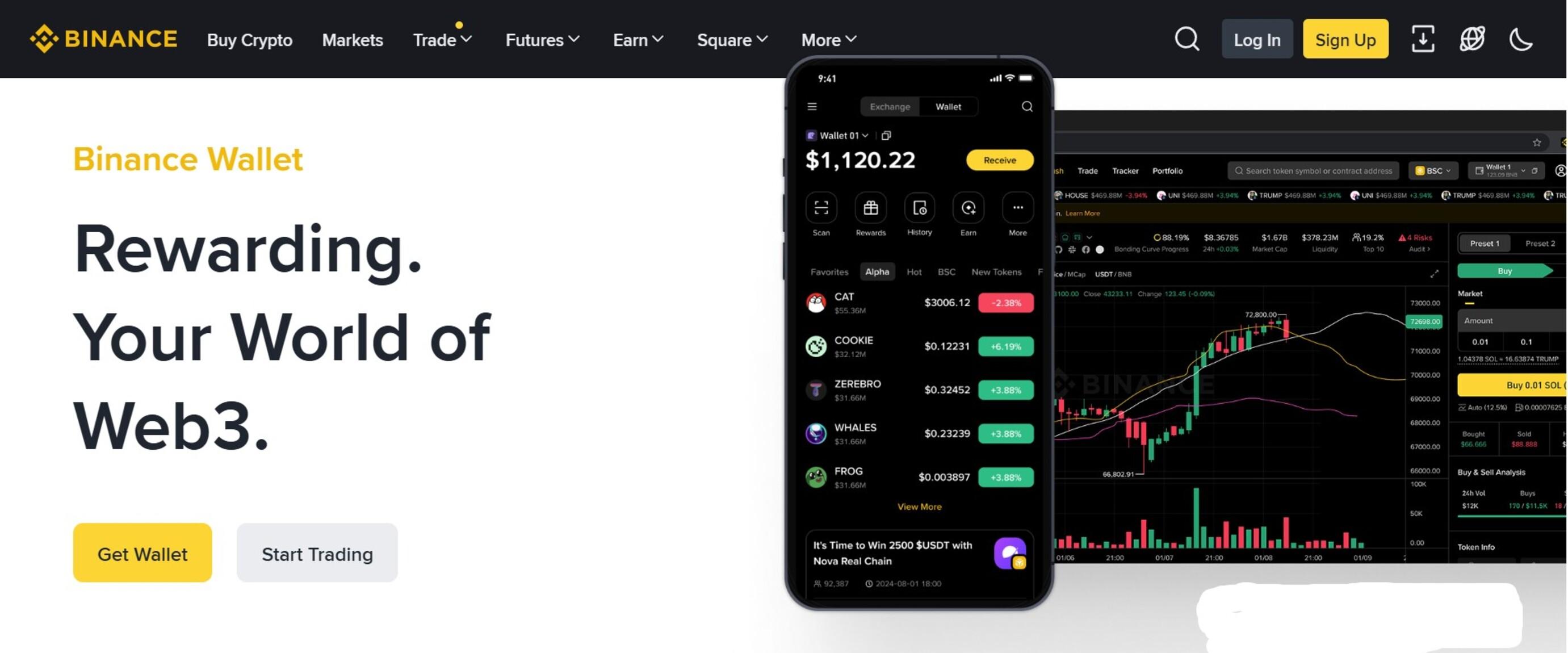
The Binance Web3 Wallet is designed for crypto users who want easy access to the decentralized web without leaving a major exchange ecosystem. Built within the Binance app, the wallet lets users interact with decentralized applications, manage digital assets, and explore blockchain networks in one place.
Unlike a traditional custodial wallet, this wallet gives users control of their crypto assets. It also uses multi-party computation, which splits private keys into multiple encrypted shares instead of relying on a single seed phrase.

Key Features
Uses multi-party computation instead of a traditional seed phrase to protect private keys.Built directly into the Binance app for easy wallet access and management of crypto assets.Allows users to connect to decentralized applications, sign transactions, and authorize transactions directly from the wallet.Includes in-app swaps, allowing users to exchange tokens without leaving the wallet software.
Developer Integration
Binance Web3 Wallet integrates via its Wallet SDK and injected provider (window.BinanceChain), supporting multi-chain EVM interactions, swaps, and CEX transfers through standard Ethereum RPC methods like eth_requestAccounts.
Supported Chains
60+ public chain networks across major ecosystems, including EVM (Ethereum, BNB Smart Chain, Polygon, Arbitrum), Solana, Bitcoin (BTC, BCH, LTC), Cosmos, and Move (Sei).
3. Phantom — Best for Solana & Multi-Chain
Phantom Wallet started as a wallet built for the Solana ecosystem but has expanded into a strong multi-chain wallet for the broader crypto world. It allows crypto users to store digital assets, manage their wallet addresses, and interact with decentralized applications through a clean interface. The wallet works as both a browser extension and a mobile digital wallet, making it easy to explore the decentralized internet.
Key Features
Built for Solana with expanding multi-chain support, including Ethereum and PolygonAvailable as a browser extension and mobile apps for easy wallet accessBuilt-in app swaps and NFT management for valuable digital assetsGives users complete control over their private keys and crypto assets
Developer Integration
Phantom Wallet offers developer-friendly SDKs for seamless integration into web, mobile, and server-side apps, supporting Solana, Ethereum, and other chains. The main integration options include the React SDK for UI components, Browser SDK for direct connections, and Server SDK for backend wallet management.
Supported Chains
Phantom currently supports Solana, Polygon, Ethereum, Sui, Base, Bitcoin (Native Segwit/Taproot), Monad, and HyperEVM
4. Trust Wallet — Best Mobile Web3 Wallet
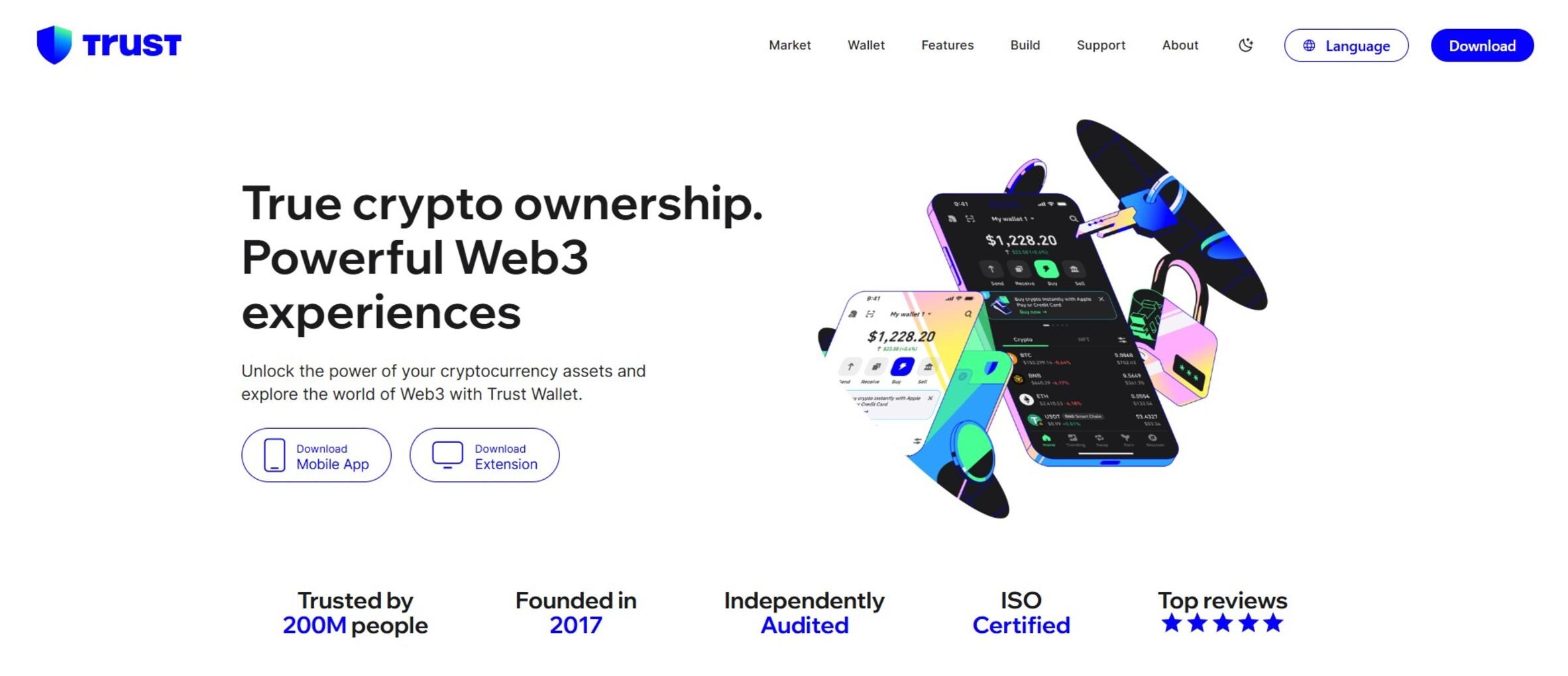
Trust Wallet is one of the most popular mobile apps for managing crypto assets and exploring the decentralized web. Owned by Binance, the wallet is designed primarily for mobile-first users seeking a simple way to store digital assets and connect to decentralized applications.
Key Features
Supports thousands of tokens across multiple blockchains and blockchain networksBuilt mainly for mobile apps, making it ideal for mobile-first usersIntegrated in-app swaps and staking features inside the digital walletSimple wallet download and setup process for beginners entering the crypto world
Developer Integration
Trust Wallet offers robust developer tools, primarily through open-source libraries like Wallet Core and WalletConnect. Wallet Core provides cross-platform cryptographic primitives for 130+ blockchains. Meanwhile, WalletConnect enables seamless dApp connections via QR codes or deep links, creating secure WebSocket JSON-RPC channels for signing on mobile and desktop.
Supported Chains
100+ blockchain networks, including Bitcoin (BTC), Ethereum (ETH), Solana (SOL), BNB Chain (BNB), Tron (TRX), and Ripple (XRP).
5. Rabby Wallet — Best for DeFi Power Users
Rabby Wallet is a non-custodial wallet designed specifically for users active in DeFi and complex blockchain technology environments. Developed by DeBank, the wallet focuses on transparency when interacting with smart contracts and decentralized applications. It automatically detects the correct blockchain networks when users connect to DeFi platforms, reducing common transaction mistakes.
Key Features
Automatic network switching across multiple blockchains and evm compatible chainsStrong compatibility with DeFi platforms and decentralized applicationsWorks as a browser extension designed for advanced crypto holdersHardware wallet integration with devices like the Ledger hardware wallet for maximum security
Developer Integration
Rabby Wallet uses EIP-6963 to detect multi-injected providers, featuring advanced gas estimation, automatic chain switching, and security alerts to enhance dapp UX on EVM networks.
Supported Chains
All EVM chains, including Polygon, Morph, Dogechain, Linea, Shibarium, Plasma, Ethereum, HyperEVM, and 81+ networks.
6. Base App (formerly Coinbase Wallet) — Best for Beginners
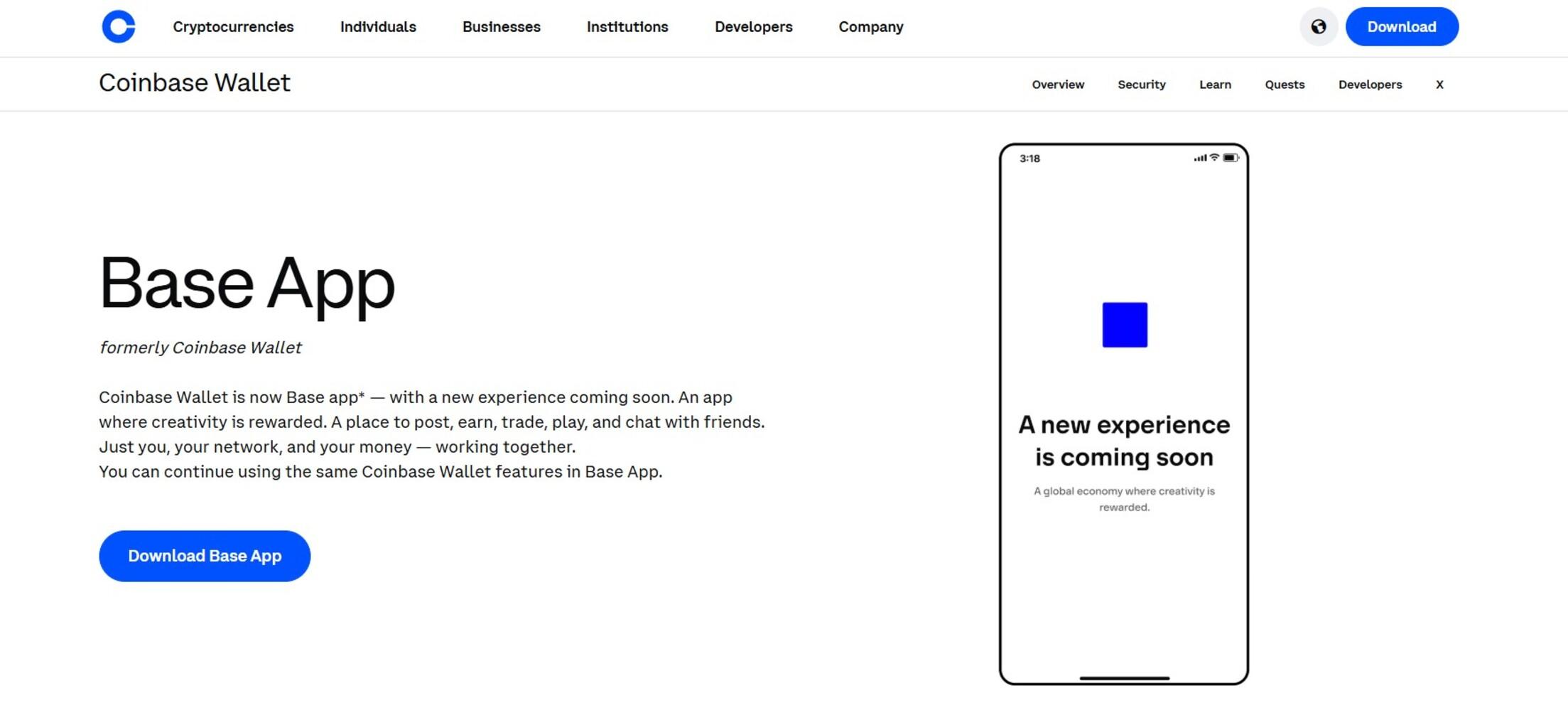
The Base App, formerly known as Coinbase Wallet, is designed to make web3 wallets easier for beginners entering the crypto world. It works as a non-custodial wallet, allowing users to manage their crypto assets, wallet address, and private keys without relying on centralized servers. It also connects easily to decentralized applications and supports several blockchain networks.
Key Features
Supports multiple blockchains, including Ethereum and other evm compatible chainsBuilt-in app swaps for exchanging tokens within the digital walletBiometric authentication and recovery phrase backup for account recoveryEasy connection to decentralized applications across the decentralized internet
Developer Integration
Base provides official SDKs like OnchainKit and MiniKit for seamless integration. OnchainKit offers React components for wallet connections, transactions, and NFT handling, while MiniKit targets Mini Apps deployable across Base App and Farcaster clients.
Supported Chains
Base App supports Ethereum, Solana, and a wide range of EVM-compatible networks, including Base, Arbitrum, Avalanche C-Chain, BNB Chain, Fantom, and Optimism
7. Ledger Wallet (Formerly Ledger Live) — Best Hardware Web3 Wallet
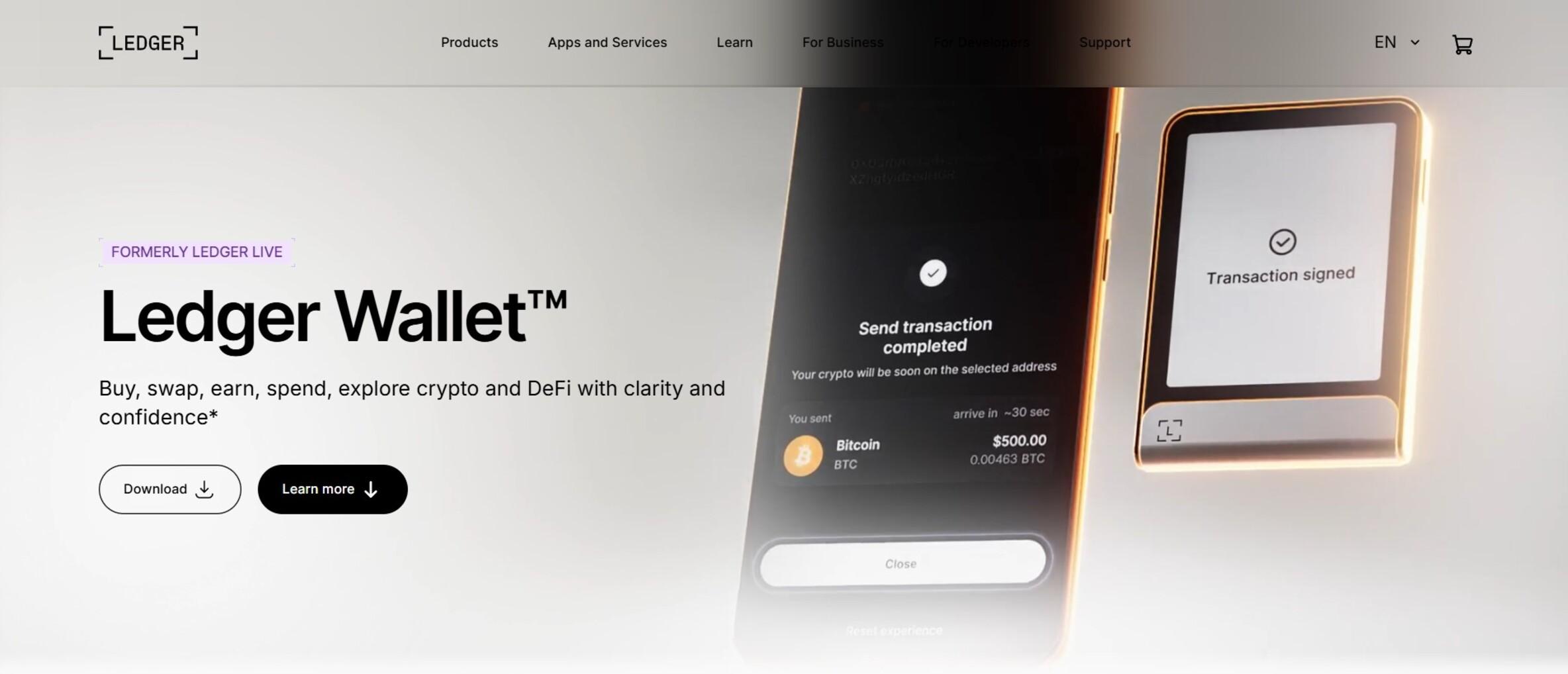
Ledger Live is the companion software wallet for the Ledger hardware wallet. Unlike most hot wallet tools, this setup focuses on maximum security by storing private keys offline on a ledger device. The wallet connects to physical devices that help protect crypto assets from online threats. Users manage their digital assets, sign transactions, and interact with supported blockchain networks through the Ledger Live app.
Key Features
Works with physical devices like the Ledger hardware walletSupports cold storage for protecting valuable digital assetsCompatible with several blockchain networks and multiple blockchainsOffers hardware wallet integration with many web3 wallets
Developer Integration
Ledger Live supports developers through the Ledger Connect Kit (LCK), focusing on hardware-secured signing for Ethereum and Bitcoin transactions via USB/Bluetooth APIs.
Supported Chains
Ledger Live supports major blockchains natively, including Bitcoin, Ethereum, Solana, Cardano, Ripple, Polkadot (DOT), Polygon (MATIC), BNB Chain, and Tron (TRX). Additionally, the wallet supports 15,000+ crypto assets. Because of this broad compatibility, Ledger Crypto Wallet helps users store a wide range of assets in one cold wallet.
8. Rainbow Wallet — Best for NFT Collectors
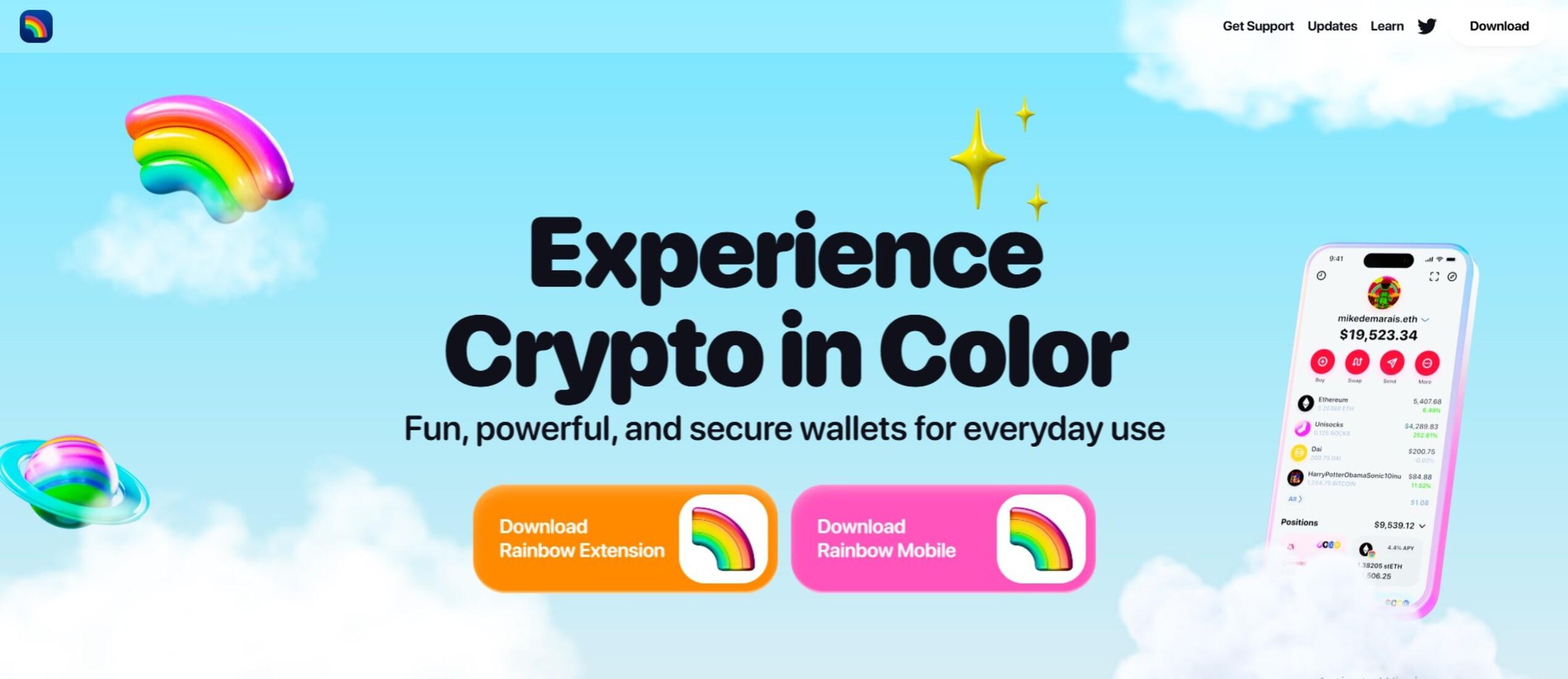
Rainbow Wallet is an intuitive, user-friendly non-custodial wallet designed primarily for the Ethereum ecosystem. It focuses heavily on NFTs and makes it easy for crypto users to view and manage valuable digital assets.
The wallet works primarily through mobile apps, making it popular among mobile-first users. Its clean design and NFT tools make it attractive for collectors exploring the decentralized internet. If you’re exploring more options for marketplaces, this comprehensive list of the best NFT marketplaces is a good starting point.
Key Features
Built mainly for Ethereum and NFT collectionsEasy connection to decentralized applications and smart contractsBiometric login and recovery phrase protection for wallet securityBuilt-in token swaps through in-app swaps
Developer Integration
Rainbow Wallet leverages RainbowKit (built on wagmi), providing ENS name resolution, NFT previews, and mobile deep linking for vibrant EVM dapp integrations.
Supported Chains
24+ chains, including Ethereum, Base, Optimism, Arbitrum, Zora, Blast, ApeChain, Polygon, Gravity, Sonic, Scrol, Gnosis, and HyperEVM.
9. Safe (ex. Gnosis Safe) — Best for DAOs and Organizations
Safe Wallet is a programmable smart contract wallet designed for secure management of crypto assets on Ethereum and other EVM-compatible chains. It operates as a non-custodial multisig solution, using smart contracts to enable multiple approvals for transactions rather than relying on a single private key, making it ideal for teams, DAOs, or high-value holdings.
Key Features
Requires a configurable threshold of approvals (usually around 2-of-3 owners) before executing transactions, preventing single-point failures.Allows owners to replace compromised keys without losing access to funds, even in single-owner setups.Handles ETH, ERC-20 tokens, ERC-721 NFTs, and more, with USD value conversions.Works with hardware wallets (e.g., Ledger, Trezor), other EOAs, and over 200 DeFi dApps, and supports transaction simulation before execution.
Developer Integration
Safe uses the Safe Core SDK for multi-signature smart accounts, batch transactions, and modular extensions on EVM chains.
Supported Chains
Safe Wallet supports a wide range of EVM-compatible chains, including Ethereum, Polygon, Avalanche, Arbitrum, Optimism, Base, Gnosis Chain, Scroll, zkSync Era, Sonic, XLayer, Aurora, Celo, Linea, Berachain, and various testnets like Sepolia and Base Sepolia.
10. Ready (formerly Argent) — Best Smart Wallet
Ready Wallet, formerly known as Argent Wallet, focuses on smart wallets designed to make security and account recovery easier. Unlike traditional wallets that rely heavily on a seed phrase, it introduces modern recovery tools. The wallet connects to decentralized applications and supports several blockchain networks. As a non-custodial wallet, users still maintain control over their crypto assets. This
Key Features
Built as a smart wallet with advanced account recovery optionsEasy connection to decentralized applications across the decentralized webSupports multiple blockchains and evm compatible chains
Developer Integration
Ready (Argent) integrates via its Argent SDK, emphasizing account abstraction with guardian approvals, session keys, and simplified onboarding for EVM smart wallets.
Supported Chains
Ready Wallet primarily supports the Ethereum mainnet and Starknet, with zkSync Lite deprecated and no compatibility for sidechains or other EVM networks like Optimism, Polygon, Arbitrum, BSC, or Solana.
What Is a Web3 Wallet?
A web3 wallet is a digital wallet that lets users store, manage, and interact with crypto assets on blockchain networks. Unlike traditional apps on centralized servers, it connects users directly to the decentralized internet.
Most are non-custodial wallets, giving users complete control over their private keys and funds, typically secured with a seed or recovery phrase. Web3 wallets let users sign transactions, interact with smart contracts, and access decentralized applications. Popular examples include MetaMask, Trust Wallet, and Coinbase Wallet.
Types of web3 wallets
Custodial wallets
A custodial wallet is a digital wallet in which a third party manages the user’s private keys on their behalf. In this setup, the platform controls access to the crypto assets, usually through accounts stored on centralized servers.
Many large exchanges offer custodial wallets because the setup process for these crypto wallets is easier for beginners. However, users do not have complete control over their digital assets, as the platform holds the keys. If the service is compromised or accounts are restricted, users could temporarily lose access to their funds.
Non-custodial wallets
A non-custodial wallet gives users full ownership of their private keys and crypto assets. Instead of relying on a company, the wallet stores keys locally in its software or on a physical device (a hardware wallet). This structure allows crypto users to maintain complete control of their funds and interact directly with blockchain networks and decentralized applications.
Access to the wallet is usually protected through a seed phrase or recovery phrase, which allows users to regain access if their device is lost. Many popular web3 wallets, such as MetaMask and Trust Wallet, follow this model.
Smart wallets
Smart wallets are advanced web3 wallets that use smart contracts to manage access and security. Instead of relying solely on a seed phrase, these wallets can include features such as multi-party computation, spending limits, or social account recovery. This design adds an extra layer of protection for valuable digital assets while making the wallet more flexible.
Many smart wallets support multiple blockchains and connect easily to decentralized applications across the decentralized web. Examples include wallets such as Ready Wallet that focus on improving security and usability in the crypto world.
How We Chose the Best Web3 Wallets
Security and Custody Type
We looked at whether wallets are custodial or non-custodial and how they protect private keys. Wallets with hardware wallet integration, cold storage, biometric authentication, or multi-party computation scored higher for enhanced security.
Chain and dApp Compatibility
Support for multiple blockchains and EVM compatibility is crucial. We prioritized wallets that support many decentralized applications and allow users to sign transactions across multiple blockchain networks.
Ease of Use
A user-friendly interface, smooth setup process, and availability as mobile apps or browser extensions were essential. Wallets that let mobile-first users navigate digital assets easily ranked higher.
NFT and DeFi Support
You should also consider wallets optimized for NFT collections, DeFi platforms, and in-app swaps. Tools that help authorize transactions, manage valuable digital assets, and interact with smart contracts made
How to Set Up a Web3 Wallet (step-by-step)
Step 1: Choose Your Wallet
Pick a wallet that fits your needs. Choose non-custodial wallets for full control, smart wallets for extra security, or mobile apps for convenience. Consider multi-chain support if you plan to interact with several blockchain networks.
Step 2: Install and Create a Wallet
Download the wallet software from a trusted source, either as a browser extension or mobile app. Follow the setup process to create a new wallet, which usually involves setting a secure password.
Step 3: Save Your Seed Phrase
After creation, the wallet will provide a seed phrase, also known as a recovery phrase. Write it down and store it securely offline. This phrase is crucial for regaining access if you lose access to your device.
Step 4: Connect to a dApp
Once set up, connect your wallet to decentralized applications. Use the wallet address to authorize transactions, interact with smart contracts, and safely manage your digital assets.
Web3 Wallet Security: How to Stay Safe
Always keep your private keys and seed phrase offline and never share them.Use hardware wallet integration or cold storage to maximize security for valuable digital assets.Enable biometric authentication and two-factor authentication whenever possible.Regularly update your wallet software to protect against vulnerabilities.Only connect your wallet to trusted decentralized applications and verify smart contracts before signing transactions.Avoid storing large amounts of crypto in hot wallets; keep only what you actively use.Backup your recovery phrase in a secure location to regain access if your device is lost.
While these platforms go the extra mile to ensure the safety of user funds and details, it is advisable to always take independent measures to safeguard your funds. Hence, here is a comprehensive guide containing insights on how to secure your cryptocurrency.
Conclusion
Choosing the right web3 wallet depends on your crypto journey, security needs, and how you interact with the decentralized web. Non-custodial wallets offer complete control, smart wallets add extra layers of protection, and hardware wallets provide maximum security for long-term holdings.
Always consider multi-chain support, ease of use, and compatibility with decentralized applications when selecting a wallet. By following best practices for wallet security, you can safely manage your digital assets and explore the decentralized internet with confidence.
FAQs
What is the best Web3 wallet in 2026?
The best wallet depends on your needs. MetaMask is widely used for overall Web3 access, Ledger Live is ideal for maximum security, Trust Wallet is suitable for mobile users, and Phantom is ideal for Solana and multi-chain use.
What is the difference between a Web3 wallet and a crypto exchange wallet?
A Web3 wallet gives you full control of your private keys and digital assets, while a crypto exchange wallet is typically custodial, meaning the platform holds your keys and controls access.
Which Web3 wallet supports the most blockchains?
Wallets like MetaMask, Trust Wallet, and Rabby Wallet offer wide multi-chain support, allowing users to manage assets across several blockchain networks.
Are Web3 wallets safe?
Yes, if used correctly. Non-custodial wallets, hardware wallets, and smart wallets provide enhanced security, but you must protect your seed phrase and private keys.
What happens if I lose my seed phrase?
If you lose your seed phrase and have no backup, you will permanently lose access to your wallet and crypto assets. Always store it securely offline.
Can I use multiple Web3 wallets?
Yes. Many users maintain multiple wallets for security, multi-chain management, or specialized use cases such as DeFi or NFTs. You can connect multiple wallets to the same decentralized applications.